
Can You Sue When Businesses Fail to Post a “Wet Floor” Sign in Bellevue?
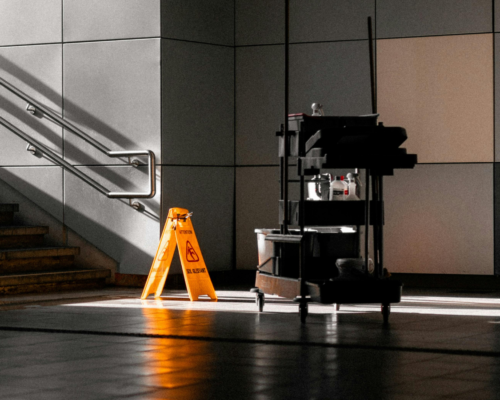
A visit to a grocery store or restaurant in Bellevue shouldn’t end in a trip to the emergency room. Yet every year, people suffer serious injuries after slipping on wet floors, all because there was no warning sign in place.
If you were hurt in a wet floor accident, you may be wondering about your legal options. Under Nebraska law, businesses have a responsibility to maintain safe conditions, including warning customers about known hazards such as wet floors.
Jason Bottlinger is an experienced Bellevue slip-and-fall attorney. At Bottlinger Law L.L.C., we are prepared to investigate the accident and seek maximum compensation for our clients.
Why “Wet Floor” Signs Matter in Bellevue
“Wet floor” signs aren’t just courtesy warnings; they are an important part of a business’s legal duty to protect customers. Without proper signage, customers have no way of knowing the risk. In many cases, the absence of a warning sign becomes a key factor in proving a business negligence claim.
Floors create a serious slip hazard when they are:
- Recently mopped
- Wet from spills
- Affected by tracked-in rain or snow
Understanding Premises Liability in Nebraska
Premises liability is an area of personal injury law that holds property owners and occupiers legally responsible when someone is injured because of unsafe or dangerous conditions on their property.
Nebraska law requires businesses to exercise reasonable care in maintaining their property. If a business fails to meet this duty and someone is injured, the business may be liable under slip-and-fall law.
Protecting visitors from fall hazards includes:
- Identifying dangerous conditions
- Fixing hazards promptly
- Warning customers about risks that cannot be immediately fixed
Where Slip and Fall Accidents Occur
Slip-and-fall accidents can occur in a wide range of everyday locations. In Bellevue, these incidents frequently occur in busy, high-traffic environments where spills, weather conditions, or cleaning activities create unexpected dangers.
Regardless of the setting, businesses have a responsibility to monitor these areas and take reasonable steps to protect visitors from harm. This duty applies to places like:
- Grocery stores
- Restaurants
- Retail shops
- Office buildings
- Gas stations
- Hotels
- Amusement parks
What Counts as “Reasonable” Under Nebraska Law?
When a slip-and-fall accident occurs, an important consideration is: How long does a business have to clean up a spill? There’s no exact time limit under Nebraska law. Instead, courts look at what is reasonable under the circumstances.
A spill left unattended for an extended period without signage is much more likely to result in liability. Factors used to determine if a business should have been reasonably expected to provide a warning sign include:
- How long the hazard existed
- How noticeable it was
- Whether employees were nearby
- Whether inspections were regularly conducted
What Is the Difference Between Actual Notice and Constructive Notice
Actual notice means the business was directly aware of the dangerous condition before the fall occurred. In these situations, failing to post a warning sign strongly supports a negligence claim, as the business knew of the danger and failed to act.
Actual notice may apply in cases where:
- An employee mopped the floor but didn’t put up a sign
- A worker saw a spill but didn’t clean it or warn customers
- A manager was told about the hazard and did nothing
Constructive notice means the business didn’t necessarily know, but they should have known about the hazard through reasonable care. If a hazard existed long enough, the business is expected to discover it and either fix it or post a warning sign.
Proving constructive notice often comes down to time and visibility. For example:
- The spill was on the floor for a long period
- The area wasn’t inspected regularly
- The hazard was obvious and detectable
Proving Business Negligence in a Slip and Fall Claim
After a slip and fall accident occurs, your personal injury lawyer will conduct a thorough investigation and file a claim on your behalf.
Key evidence may include:
- Photos of the wet floor and lack of signage
- Surveillance footage
- Medical records
- Incident reports
- Witness statements
- Cleaning and maintenance logs
Speak With a Trusted Bellevue Slip and Fall Accident Lawyer
At Bottlinger Law L.L.C., we understand how disruptive an unexpected injury can be. Our attorney takes the time to listen, explain your options, and help you move forward with confidence.
Jason Bottlinger is a member of the Multi-Million Dollar Advocates Forum, and our firm has a perfect A+ rating from the Better Business Bureau.
Call (402) 505-8234 to schedule a free consultation today.
Frequently Asked Questions: Wet Floor Accidents in Bellevue
Can I sue a business if there was no “wet floor” sign posted?
Yes, in many cases you can. A missing warning sign may support a claim for no-wet-floor sign liability if the business knew or should have known of the hazard and failed to warn customers. Under Nebraska slip-and-fall law, that failure can be considered business negligence.
How do I prove the business knew about the wet floor?
You can prove knowledge using evidence like surveillance footage, employee statements, cleaning logs, or witness accounts. If an employee caused the hazard (such as mopping or spilling liquid), that may establish direct knowledge and support your claim.
Are grocery stores more likely to be liable for slip and fall accidents?
Not automatically, but grocery slip-and-fall cases are common because spills happen frequently. Stores are expected to inspect aisles and address hazards quickly regularly. Failing to clean a spill or post a warning sign may indicate negligence.
When should I contact a premises liability lawyer after a wet floor accident?
It’s best to contact a Bellevue premises liability attorney as soon as possible. Early legal guidance helps preserve evidence, determine liability, and ensure your slip-and-fall claim is handled properly from the start.
Bottlinger Law
Consultation Form
Our legal team is ready to help. Please fill out the form below to set up a free consultation with the Bottlinger Law team.
Injured by an Uninsured Driver in Omaha? How Uninsured Motorist Claims Work
When a Loved One Dies in a Workplace Accident: Understanding Your Legal Options in Bellevue
Was Your Loved One Killed by a Fatigued Trucker? Proving Hours-of-Service Violations in Bellevue
7 Reasons to Let Your Lawyer Talk to the Insurance Company After a Car Accident in Bellevue